


09/01/2025
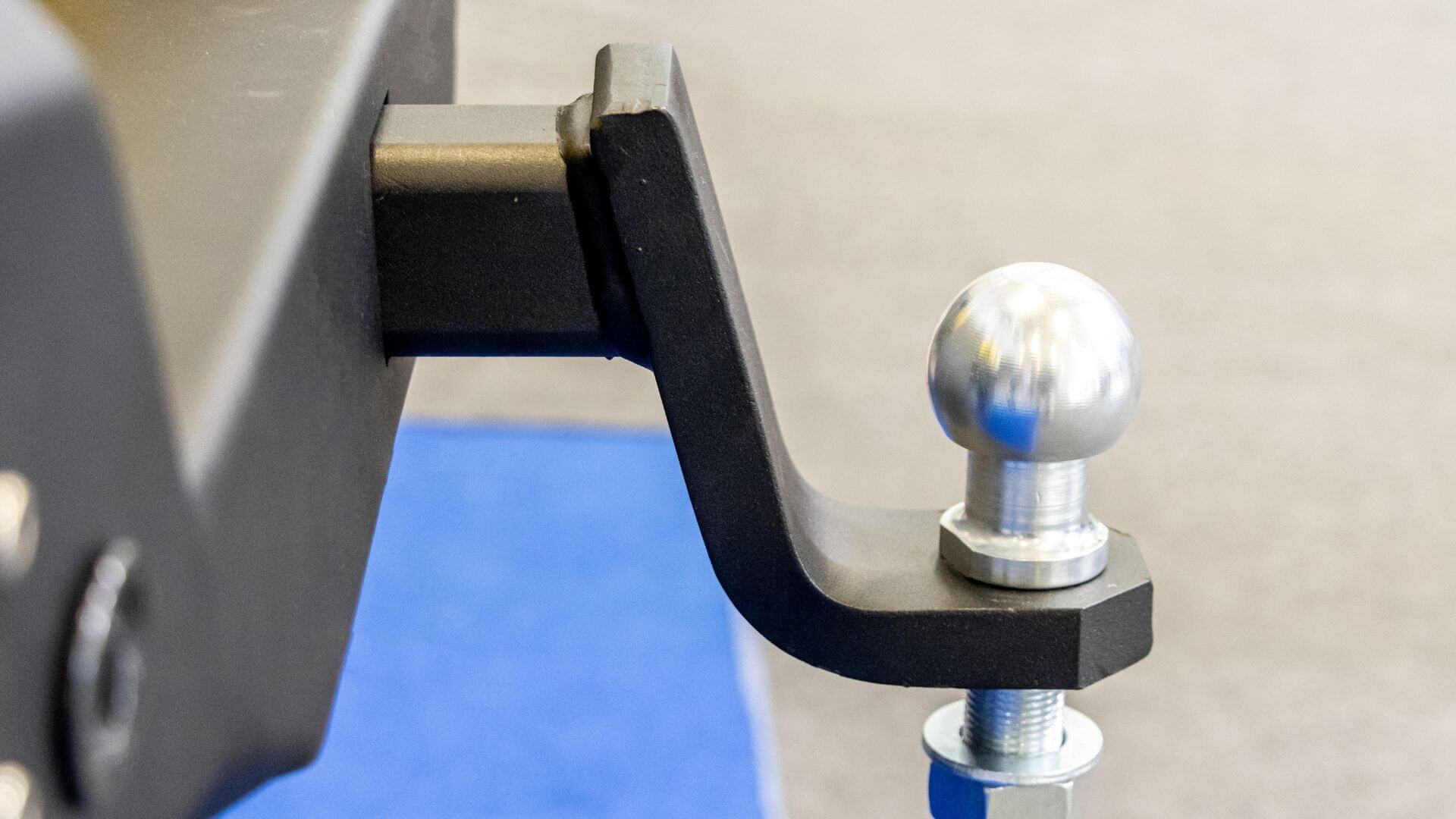
Trailer Hitch Installation in Stockton
Choosing the right trailer hitch is one of the most important decisions you'll make before towing. Whether you're hauling a utility trailer for work, towing a boat to the California Delta, or planning a camping trip with a travel trailer, your hitch must match both your vehicle and your towing needs.
With several hitch classes, weight ratings, and accessory options available, it's easy to feel overwhelmed. Fortunately, understanding a few key factors can help you make an informed decision and ensure a safer towing experience.
If you're considering trailer hitch installation in Stockton, this guide will help you determine which hitch is best for your vehicle and why professional installation matters.
Why Choosing the Right Hitch Matters
A trailer hitch does more than simply connect your trailer to your vehicle.
The proper hitch helps:
- Improve towing stability
- Reduce trailer sway
- Support safe braking performance
- Protect your vehicle from excess strain
- Ensure compliance with towing capacity limits
- Increase confidence behind the wheel
Using an undersized hitch can create safety risks, while installing a hitch that exceeds your vehicle's towing capabilities can lead to poor performance and unnecessary wear.
Before purchasing any towing equipment, it's important to understand both your vehicle's capabilities and your trailer's requirements.
Understanding Trailer Hitch Classes
Trailer hitches are divided into classes based on towing capacity and receiver size.
Class I Hitches
Best suited for:
- Bike racks
- Small cargo carriers
- Lightweight utility trailers
Commonly installed on:
- Sedans
- Compact SUVs
- Small crossover vehicles
Class II Hitches
Designed for:
- Small boats
- Lightweight campers
- Utility trailers
Typically found on:
- Mid-size SUVs
- Crossovers
- Some minivans
Class III Hitches
One of the most popular options for recreational towing.
Ideal for:
- Travel trailers
- Larger utility trailers
- Boats
- Small equipment trailers
Commonly installed on:
- Pickup trucks
- Full-size SUVs
- Larger crossovers
Class IV and Class V Hitches
Heavy-duty hitches designed for:
- Large campers
- Equipment trailers
- Commercial towing applications
These hitches provide greater towing capacity and durability for demanding loads.
Choosing the correct hitch class depends on your vehicle's towing capacity and the weight of the trailer you plan to pull.
Match the Hitch to Your Vehicle
Many drivers mistakenly focus only on trailer weight. However, your vehicle ultimately determines what can be safely towed.
Factors that affect hitch selection include:
- Manufacturer towing capacity
- Gross Combined Weight Rating (GCWR)
- Tongue weight limits
- Suspension design
- Vehicle frame construction
- Factory towing package availability
A larger hitch does not increase your vehicle's towing capacity.
Professional installers evaluate the entire towing system to ensure every component works together safely and effectively.
At The Hitch House Services, technicians help customers select towing equipment that matches both vehicle specifications and intended trailer use.
People Also Ask: What Size Trailer Hitch Do I Need?
The right trailer hitch depends on your vehicle's towing capacity and the weight of the trailer you intend to tow. Most passenger vehicles use Class I, II, or III hitches, while larger trucks and commercial vehicles may require Class IV or V hitches. A professional hitch installer can help determine the correct fit.
Consider What You'll Be Towing
Different trailers place different demands on your towing setup.
Utility Trailers
Typically require:
- Class I, II, or III hitches
- Standard ball mounts
- Basic wiring harnesses
Boats
May require:
- Corrosion-resistant components
- Trailer brake integration
- Enhanced towing stability
Travel Trailers
Often benefit from:
- Weight distribution systems
- Trailer brake controllers
- Anti-sway equipment
Equipment and Commercial Trailers
Frequently require:
- Heavy-duty hitch systems
- Advanced braking solutions
- Higher-capacity towing accessories
Choosing a hitch based on your actual towing needs helps improve safety and long-term performance.
Essential Hitch Accessories
A complete towing system includes more than just the hitch itself.
Additional equipment may include:
Ball Mounts
Ball mounts help level the trailer and maintain proper towing geometry.
Trailer Balls
Common sizes include:
- 1-7/8 inch
- 2 inch
- 2-5/16 inch
Using the wrong ball size can create dangerous towing conditions.
Wiring Harnesses
These provide power for:
- Brake lights
- Turn signals
- Running lights
- Trailer brake systems
Brake Controllers
Many larger trailers require brake controllers to synchronize braking between the vehicle and trailer.
Weight Distribution Hitches
These systems help distribute trailer weight more evenly, improving control and reducing strain on the tow vehicle.
Pro Tip: If you're planning to upgrade your trailer in the future, discuss long-term towing goals with your installer. Selecting a hitch that accommodates future needs may save money and reduce the need for equipment upgrades later.
People Also Ask: Can I Install a Trailer Hitch Myself?
Some lighter-duty hitches can be installed by experienced DIYers. However, professional installation helps ensure proper mounting, correct torque specifications, safe wiring integration, and compliance with vehicle manufacturer recommendations. Professional installation is especially important for heavier towing applications.
Why Professional Installation Makes a Difference
Modern vehicles often include advanced electronics and vehicle-specific mounting systems that require specialized knowledge during installation.
Professional hitch installation offers several advantages:
- Proper fitment
- Correct hardware installation
- Safe electrical connections
- Compliance with towing specifications
- Reduced risk of towing issues
Experienced installers can also identify potential concerns involving trailer brakes, wiring systems, suspension performance, and towing capacity.
This comprehensive approach helps prevent costly problems and improves towing confidence.
People Also Ask: How Much Can My Vehicle Safely Tow?
Safe towing capacity depends on your vehicle's manufacturer specifications. Factors include engine size, drivetrain, suspension, cooling systems, and factory towing packages. Always consult your owner's manual and a qualified towing professional before selecting a trailer or hitch system.
Trust Stockton's Towing Experts
Choosing the best trailer hitch isn't about buying the biggest or most expensive option—it's about finding the right match for your vehicle and towing needs.
For decades, The Hitch House has helped Stockton drivers select, install, and maintain towing equipment for recreational, commercial, and everyday use.
Customers can explore available products through the Products page, learn more about the company on the About Us page, and read customer experiences on the Reviews page.
If you're ready to find the best hitch for your vehicle, visit the Contact Us page to speak with a towing professional.
Tow like no other, right here in Stockton.