


05/01/2026
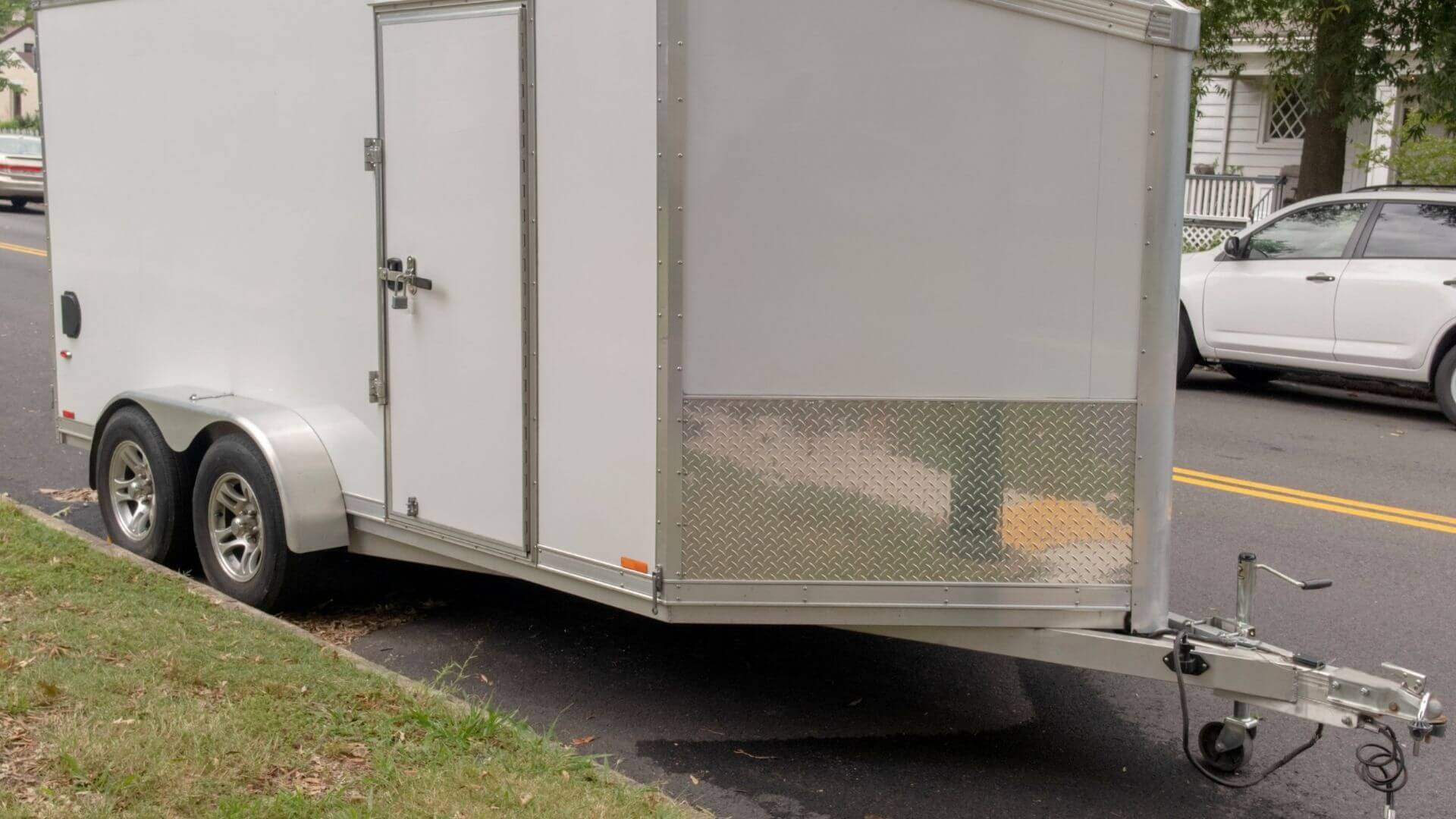
A reliable trailer wiring system is one of the most important parts of any towing setup. While trailer hitches provide the physical connection between your vehicle and trailer, wiring ensures critical safety systems function properly every time you hit the road.
Unfortunately, trailer wiring problems are among the most common issues towing owners encounter. Faulty wiring can affect brake lights, turn signals, trailer brakes, and other electrical components, creating safety hazards and potentially leaving you stranded.
Whether you tow a utility trailer, travel trailer, boat trailer, or equipment trailer, understanding common wiring problems can help you avoid costly repairs and dangerous situations. If you're considering trailer hitch installation in Stockton, ensuring your wiring is professionally installed should be a top priority.
Why Trailer Wiring Is So Important
Trailer wiring provides communication between your tow vehicle and trailer.
This electrical connection powers:
- Brake lights
- Turn signals
- Running lights
- Hazard lights
- Reverse lights
- Trailer brake systems
- Auxiliary power functions
Without proper wiring, your trailer may not signal correctly to other drivers, increasing the risk of accidents and traffic violations.
Professional installation helps ensure these systems operate consistently and reliably.
Problem #1: Corroded Electrical Connections
One of the most common trailer wiring issues is connector corrosion.
Trailer plugs are constantly exposed to:
- Rain
- Road salt
- Dust
- Moisture
- Temperature changes
Over time, corrosion can develop on connector pins and electrical contacts.
Common symptoms include:
- Flickering lights
- Intermittent brake lights
- Turn signal failures
- Inconsistent trailer brake operation
Professional installers use quality connectors and proper protective measures that help reduce moisture intrusion and extend component life.
People Also Ask: Why Do My Trailer Lights Work Sometimes but Not Others?
Intermittent trailer lighting is often caused by corroded connectors, loose wiring, poor grounding, or damaged electrical contacts. A professional inspection can identify the source of the problem and restore reliable operation.
Problem #2: Poor Ground Connections
Grounding issues are responsible for many trailer electrical failures.
A poor ground connection can cause:
- Dim trailer lights
- Flickering signals
- Non-functioning brake lights
- Multiple electrical systems failing simultaneously
Grounding problems often occur because of:
- Corrosion
- Loose connections
- Improper installation
- Damaged wiring
Proper grounding is essential for a stable electrical circuit.
Professional installers verify grounding integrity during installation and testing to help prevent future electrical problems.
Problem #3: Damaged Wiring Harnesses
Trailer wiring harnesses are vulnerable to damage from:
- Road debris
- Vibration
- Weather exposure
- Improper routing
- Rodents
Over time, wires may become:
- Frayed
- Pinched
- Cut
- Exposed
- Disconnected
Damaged wiring can create intermittent problems that are difficult to diagnose without specialized equipment.
At The Hitch House Services, technicians inspect wiring systems thoroughly to identify damage before it affects towing safety.
Problem #4: Incorrect Connector Selection
Not all trailers use the same electrical connector.
Common connector types include:
- 4-pin connectors
- 5-pin connectors
- 6-pin connectors
- 7-pin connectors
Each connector supports different electrical functions.
Using the wrong connector may prevent important systems from operating correctly, including:
- Trailer brakes
- Backup lights
- Auxiliary power systems
Professional installers help match the proper connector to both the trailer and vehicle to ensure full compatibility.
People Also Ask: What Is the Difference Between a 4-Pin and 7-Pin Trailer Connector?
A 4-pin connector typically supports basic lighting functions such as brake lights, turn signals, and running lights. A 7-pin connector can additionally support electric trailer brakes, battery charging, backup lights, and auxiliary power systems.
Problem #5: Overloaded Electrical Circuits
Modern vehicles contain sophisticated electrical systems that require careful integration with towing equipment.
Improper wiring installation can overload circuits and cause:
- Blown fuses
- Electrical shorts
- Warning lights
- Battery drain
- Vehicle electrical malfunctions
Vehicle-specific wiring harnesses are often required to safely connect trailer systems without interfering with factory electronics.
Professional installation helps protect both your vehicle and trailer from electrical damage.
Problem #6: Brake Controller Communication Issues
Many larger trailers use electric brake systems that rely on communication between the brake controller and trailer brakes.
Common issues include:
- Error messages
- Inconsistent braking
- Loss of brake function
- Controller connection failures
These problems often stem from:
- Wiring faults
- Corroded connectors
- Damaged harnesses
- Improper installation
Reliable trailer braking depends on properly installed and maintained wiring systems.
People Also Ask: Can Bad Trailer Wiring Affect Trailer Brakes?
Yes. Electric trailer brakes rely on wiring connections to receive signals from the brake controller. Damaged wiring, poor grounds, or faulty connectors can affect braking performance and create safety concerns while towing.
How Professional Installation Prevents Wiring Problems
Professional installation focuses on more than simply connecting wires.
Experienced technicians:
- Use vehicle-specific wiring solutions
- Verify proper grounding
- Select appropriate connectors
- Protect wiring from environmental damage
- Test all electrical functions
- Confirm compatibility with trailer brake systems
This comprehensive approach helps reduce the likelihood of future failures and improves overall towing reliability.
People Also Ask: Is Professional Trailer Wiring Installation Worth It?
For many vehicle owners, professional installation provides added confidence that wiring systems are installed correctly and safely. It can help prevent electrical issues, reduce troubleshooting costs, and improve towing safety over the long term.
Warning Signs Your Trailer Wiring Needs Attention
Before your next trip, watch for signs of electrical problems:
- Flickering trailer lights
- Dim lighting
- Non-working brake lights
- Intermittent turn signals
- Brake controller errors
- Corrosion on connectors
- Blown fuses
Addressing these issues early can help prevent larger repairs and unexpected roadside problems.
Pro Tip: Apply dielectric grease to trailer connector pins during routine maintenance. This simple step can help reduce moisture intrusion and corrosion while extending the life of your electrical connections.
Trust Stockton's Trailer Wiring Specialists
Reliable trailer wiring is essential for safe towing, whether you're hauling equipment across town or traveling throughout California.
For decades, The Hitch House has helped Stockton drivers with trailer wiring installations, trailer hitch systems, brake controller integration, towing accessories, and complete towing solutions.
Learn more about the company on the About Us page, browse towing products through the Products page, and read customer feedback on the Reviews page.
If you're experiencing trailer wiring problems or preparing a new towing setup, visit the Contact Us page to schedule professional service.
Tow like no other, right here in Stockton.