


07/01/2025
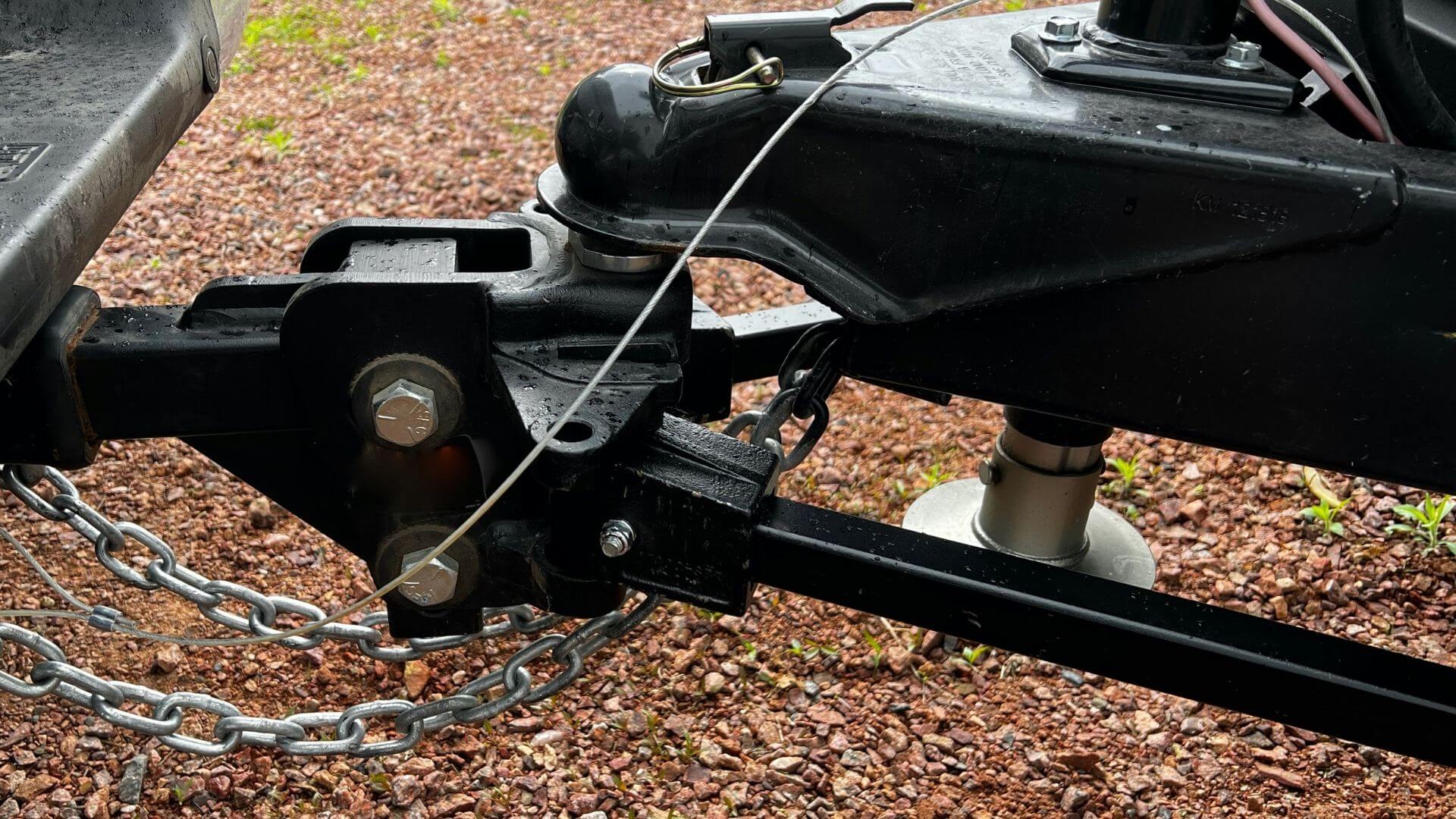
Trailer Hitch Installation in Stockton, CA
Whether you're hauling a boat to the Delta, towing a utility trailer for work, or preparing for a California camping adventure, having the right towing setup is essential. Many drivers focus on the trailer itself while overlooking one of the most important components—the hitch.
Proper trailer hitch installation in Stockton, CA helps ensure safety, vehicle performance, and compliance with towing requirements. Understanding how hitches work, which type you need, and why professional installation matters can make a significant difference every time you hit the road.
If you're new to towing or upgrading your current setup, here's everything you should know before you tow.
Why Your Trailer Hitch Matters
Your trailer hitch serves as the connection point between your vehicle and trailer. While it may seem like a simple piece of equipment, the hitch carries tremendous responsibility.
A properly installed hitch helps:
- Support trailer weight safely
- Improve towing stability
- Reduce trailer sway
- Enhance steering control
- Improve braking performance
- Protect your vehicle from unnecessary stress
Using the wrong hitch—or one that is improperly installed—can create serious towing hazards, especially when traveling on busy California highways or through mountain terrain.
At The Hitch House Services, customers receive expert guidance on selecting and installing the proper hitch for their vehicle and towing needs.
Understanding Trailer Hitch Classes
Not all trailer hitches are designed for the same purpose. Hitch classes are based on towing capacity and receiver size.
Class I Hitches
Best for:
- Small utility trailers
- Bike racks
- Lightweight cargo carriers
Typically used on:
- Sedans
- Compact SUVs
- Small crossovers
Class II Hitches
Designed for:
- Small campers
- Lightweight boats
- Utility trailers
Often found on:
- Mid-size SUVs
- Crossovers
- Small trucks
Class III Hitches
One of the most popular options for recreational towing.
Suitable for:
- Travel trailers
- Larger boats
- Cargo trailers
Commonly installed on:
- Pickup trucks
- Full-size SUVs
Class IV and V Hitches
Built for heavy-duty towing applications including:
- Large campers
- Equipment trailers
- Commercial towing needs
These hitches provide higher towing capacities and additional durability for demanding conditions.
Choosing the right hitch class is one of the most important decisions you'll make before towing.
How Professional Hitch Installation Improves Safety
Many vehicle owners underestimate the complexity of modern towing systems.
Today's hitch installations often involve:
- Vehicle-specific mounting points
- Wiring integration
- Brake controller installation
- Weight distribution systems
- Trailer light connections
Professional installation ensures:
- Proper torque specifications
- Correct hardware usage
- Safe electrical connections
- Accurate fitment
- Manufacturer compliance
An improperly mounted hitch may not perform as intended during emergency braking or evasive maneuvers.
Experienced installers can also identify potential compatibility issues between your vehicle and trailer before problems occur.
People Also Ask: Can I Install a Trailer Hitch Myself?
Some vehicle owners choose DIY installation, particularly for lighter-duty applications. However, professional installation is recommended for most towing setups because it ensures proper fitment, wiring connections, safety inspections, and compliance with towing requirements.
For heavier trailers or vehicles requiring integrated wiring systems, professional installation is often the safest option.
Matching the Hitch to Your Vehicle
One of the most common towing mistakes is assuming a larger hitch automatically means greater towing capability.
Your towing setup is limited by several factors:
- Vehicle towing capacity
- Hitch class rating
- Trailer weight
- Tongue weight
- Suspension capabilities
- Brake system performance
Installing a hitch rated beyond your vehicle's towing capacity does not increase what your vehicle can safely tow.
Before purchasing any towing equipment, verify your vehicle's specifications and consult a professional installer.
Essential Towing Accessories
A hitch is only one part of a complete towing system.
Additional components often include:
Ball Mounts
Different trailers require different ball heights and sizes to maintain proper alignment.
Trailer Balls
Common sizes include:
- 1-7/8 inch
- 2 inch
- 2-5/16 inch
Using the incorrect ball size can create dangerous towing conditions.
Wiring Harnesses
A properly installed wiring harness powers:
- Brake lights
- Turn signals
- Running lights
- Trailer brake systems
Brake Controllers
Required for many larger trailers, brake controllers help synchronize trailer braking with the towing vehicle.
Weight Distribution Systems
These systems improve balance and handling by distributing trailer weight more evenly across the vehicle and trailer.
Pro Tip: If your trailer feels unstable, sways at highway speeds, or causes excessive vehicle sag, your towing system may need a weight distribution hitch or adjustment rather than simply adding more towing accessories.
People Also Ask: How Much Weight Can My Vehicle Tow?
The answer depends on your vehicle's manufacturer specifications. Towing capacity varies based on engine size, drivetrain, suspension, cooling systems, and factory-installed towing packages. Always consult your owner's manual or a towing professional before selecting a trailer.
California Towing Considerations
California roads present unique challenges for towing.
Drivers may encounter:
- Steep mountain grades
- Coastal winds
- Heavy summer traffic
- High temperatures
- Long-distance travel routes
These conditions place additional demands on:
- Hitch systems
- Trailer brakes
- Tires
- Bearings
- Suspension components
Routine inspections can help identify wear before it leads to equipment failure.
People Also Ask: Do I Need Trailer Brakes in California?
California generally requires trailer brakes on trailers exceeding specific weight thresholds. Requirements may vary depending on trailer type and weight. Professional towing specialists can help ensure your trailer meets applicable safety standards.
Why Stockton Drivers Trust Professional Hitch Specialists
When it comes to towing, experience matters.
The Hitch House has served the Stockton area for decades, helping drivers choose the right equipment for recreational, commercial, and everyday towing needs.
Customers benefit from:
- Expert hitch recommendations
- Professional installation
- Trailer wiring solutions
- Brake controller installation
- Towing accessories
- Ongoing service and support
You can learn more about the company on the About Us page, browse available towing equipment through the Products page, or read customer experiences on the Reviews page.
Before your next towing adventure, make sure your equipment is properly matched, professionally installed, and ready for the road. For questions or installation scheduling, visit the Contact Us page.
Tow like no other, right here in Stockton.